Hip-Hop Fashion History: How the Culture Built Streetwear
Streetwear did not adopt hip-hop; hip-hop built the thing streetwear became. The mechanics that run the entire category today, scarcity as status, the shop as clubhouse, the garment as signal, were hip-hop's inventions, worked out on blocks and in barbershops decades before a fashion house hired its first creative director from the culture. Here is the history, era by era, and what each era left behind.
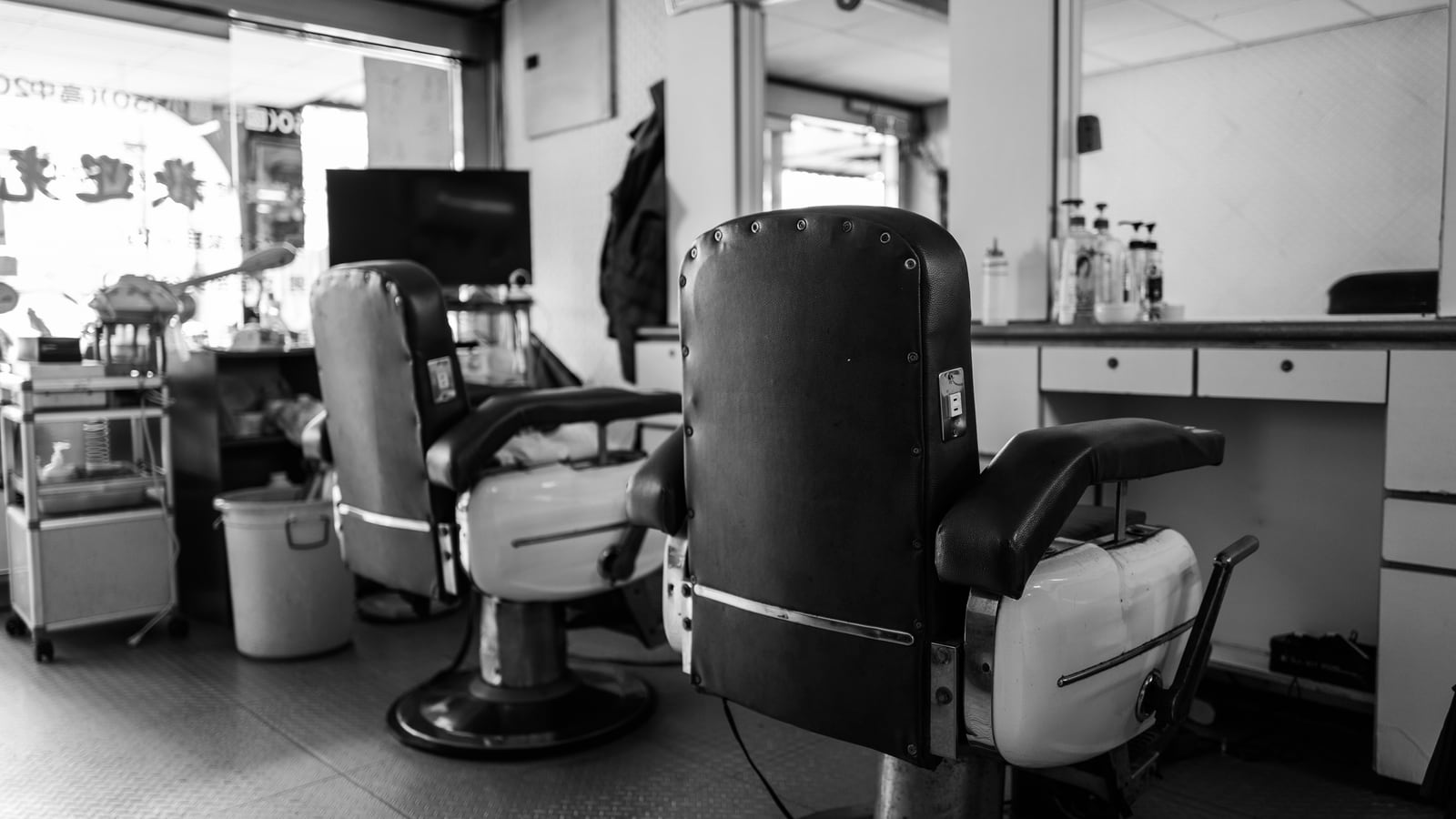
The block era: style before brands
Before the culture had its own labels it had codes: the crisp sneaker, the name ring, the tracksuit, the fitted worn as an address. The point was never the garment's price, it was its condition and its meaning, a discipline of freshness that would later become streetwear's entire value system. The cap said your borough. The sneakers said your standards. Why the fitted meant so much.
The logo era: wearing the labels that ignored you
In the late eighties and nineties the culture adopted, and transformed, brands that never asked for it: sportswear, workwear, outdoor labels worn harder and better than their marketing imagined. Hip-hop proved it could make any brand cool, and the obvious next question, why make someone else's brand cool for free, created everything that followed.
The first wave: for us, by us
Cross Colours and Karl Kani turned the culture's style into its own product; FUBU said the thesis out loud in its name. For the first time the people who set the trends owned the margins. The wave proved the market and wrote the blueprint every rapper-founded brand still follows. The full roll call of rapper-founded brands.
The empire era: the 2000s
Rocawear and Sean John took hip-hop fashion to department-store scale, hundreds of millions in sales, real awards, real acquisitions. It was the era the culture's fashion became big business, and the era that taught the hard lesson: when the founder sells the company, the story goes with it. The 2000s brands, where they went.
The auteur era: ownership as the brand
The correction came from founders who refused to sell: Pharrell's Billionaire Boys Club treating the brand as a design practice, Nipsey Hussle's Marathon Clothing making ownership itself the message, Drake's OVO building a permanent world instead of a licensing deal. Meaning became the moat. The logos and what they carry.
The current era: culture-first, retail-real
Today's lane, the one Paper Planes runs in, applies every era's lesson at once: a mark with a sentence behind it (the folded flag), construction borrowed from the culture's own uniform (the New Era silhouettes), and distribution through the same independent shops where the culture always bought its clothes, the ones this site maps. The history comes full circle: the block invented the style, and the style's biggest brands now sell back through the block.
FAQ
How did hip-hop influence streetwear?
It invented streetwear's value system: scarcity as status, condition as discipline, the garment as signal, and the independent shop as the clubhouse where all of it trades.
What were the first hip-hop clothing brands?
Cross Colours, Karl Kani and FUBU built the first wave; Rocawear and Sean John scaled it in the 2000s.
Which hip-hop fashion brands still exist?
Billionaire Boys Club, OVO, The Marathon Clothing and Paper Planes operate under their founders; several first-wave and empire-era names continue as licensed brands.
What is hip-hop fashion today?
Culture-first labels with meaning-driven marks, worn with the fitted-and-tee uniform the block era standardized. The current landscape.